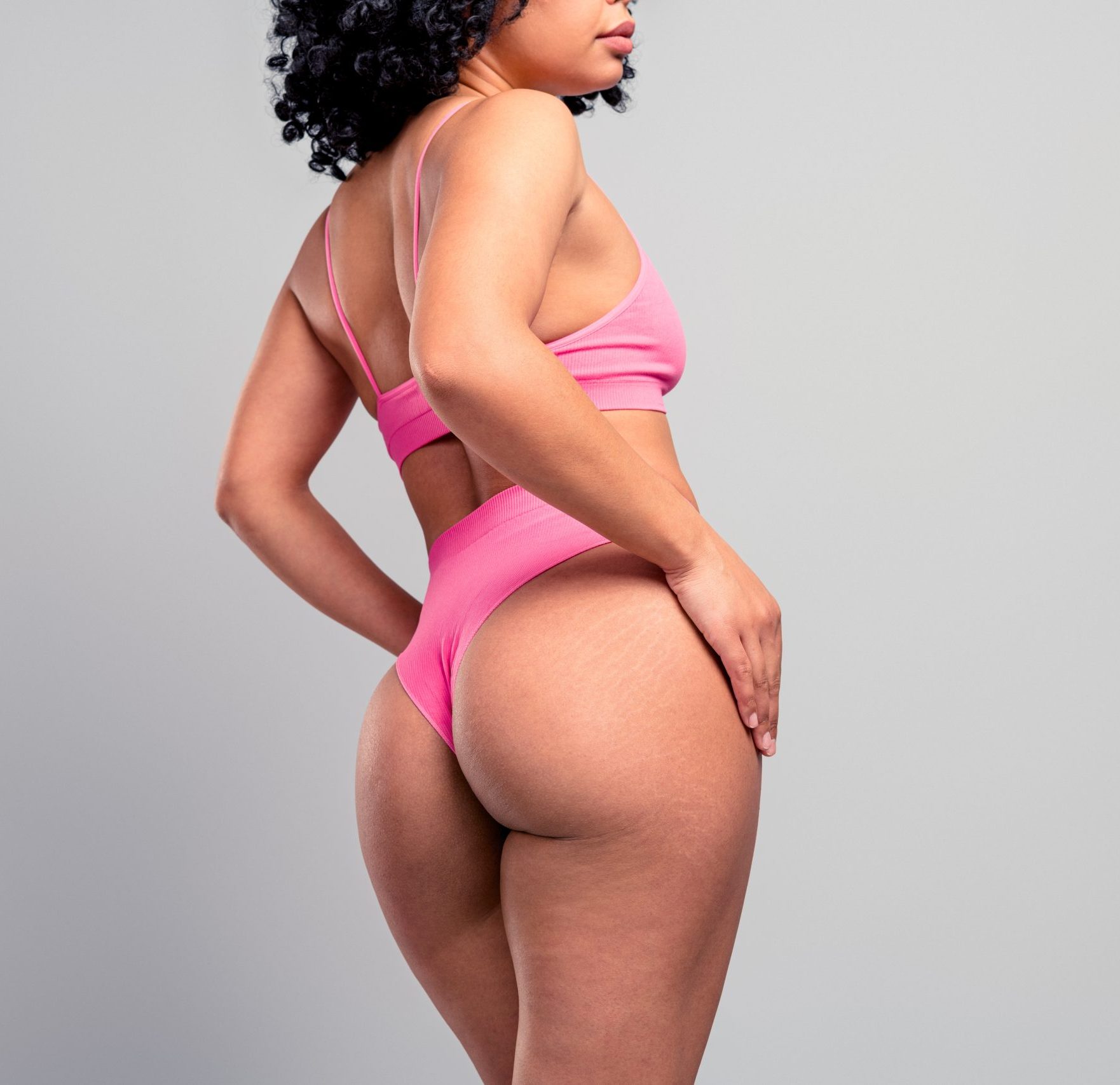
Yes, the results of a Brazilian butt lift are designed to be long-lasting, and in most cases the fat that survives the transfer stays in place for life. Once transferred fat cells establish a blood supply in their new location, they behave like fat anywhere else in your body. Your shape can still change with weight gain or loss, aging, pregnancy, and lifestyle habits.
Patients in Miami, FL often ask our team, “Are BBLs Permanent? What Can Change Over Time?” This article explains how long results last, what shifts the shape over the years, and what steps help you keep the contour you worked for.
A Brazilian butt lift uses your own fat to reshape the buttocks. The procedure has two parts that work together. Fat is removed through liposuction from areas such as the abdomen, flanks, back, or thighs. That fat is then purified and transferred to the buttocks to add volume, projection, and curve.

Because of this two-part approach, a BBL changes your silhouette in two ways at once. The donor areas become slimmer, and the buttocks become fuller. Much of the final shape comes from the contrast between a narrower waist and a rounder backside. That is why changes to either area over time can affect how your result looks.
Your BBL result goes through a settling period before it becomes stable. In the first weeks after surgery, swelling makes the buttocks look larger than they will look long-term. As swelling fades, the shape becomes more defined.
During the first few months, your body naturally reabsorbs a portion of the transferred fat. This is an expected part of how fat transfer works. The fat cells that connect to a new blood supply survive. The cells that do not connect are gradually cleared away by the body. Our team plans for this when deciding how much fat to transfer, so the final shape matches your goals once this process is complete.
By around six months, most of this settling has happened. The fat that remains at that point is considered stable. From there, those cells can last for many years, often for life, as long as your weight stays reasonably steady.
The fat removed through liposuction is also permanent. Those fat cells do not grow back. The remaining fat cells in treated areas can still expand if you gain weight, but the reduced number of cells helps the area keep a slimmer contour.
A BBL uses living tissue from your own body. Unlike an implant, transferred fat does not wear out, leak, or need routine replacement. Once fat cells take hold in the buttocks, they become part of that tissue.
This is the core reason we tell patients a BBL can be a long-term change. The fat cells themselves are permanent. What can change is the size of those cells and the tissue around them. Your skin, muscle tone, and overall body fat all keep shifting throughout life, and those factors shape how the result looks at 30, 40, or 50.
So the most accurate answer to “Are BBLs Permanent? What Can Change Over Time?” is this. The surviving fat is permanent, but the appearance of the buttocks is not frozen in place. It responds to the same forces that affect the rest of your body.
Several factors influence how your BBL looks in the years after surgery. Some, such as aging, are out of your control. Others, such as weight and activity level, are largely in your hands.
Aging affects every part of the body, and the buttocks are no exception. Over time, skin loses collagen and elasticity. This can lead to some sagging or a softer shape, even when the volume from the fat transfer remains.
Muscle tone also tends to decline with age. The gluteal muscles sit beneath the transferred fat and help support the shape of the buttocks. When these muscles weaken, the buttocks may look flatter or lower than they did right after surgery.
Hormonal changes can shift where your body stores fat. Many women notice changes in fat distribution after menopause. Fat may build up more around the midsection and less in the hips and buttocks. This can soften the curve between the waist and hips that a BBL creates.
Pregnancy is another major body change. Weight gain, stretched skin, and hormonal shifts during pregnancy can all affect a BBL result. Many surgeons suggest waiting until you are finished having children before a BBL. If you plan to have more children, talk with our team about timing. Some patients choose a mommy makeover after their family is complete to address several areas at once.
Weight is the single largest factor in how a BBL holds up over time. Transferred fat cells behave like any other fat cells. They grow when you gain weight and shrink when you lose weight.
Significant weight loss can reduce the size of the buttocks. Because the transferred fat cells shrink along with fat elsewhere, the added volume may become less noticeable. Patients who lose a large amount of weight after a BBL sometimes feel that their result has faded.
Significant weight gain creates a different problem. The buttocks may get larger, but so will the waist, abdomen, and other areas. Liposuction reduced the number of fat cells in the donor areas, but the remaining cells can still expand. Weight gain can also add fat to areas that were not treated. The result is often a loss of the hourglass contrast that made the BBL look balanced.
Staying within a few pounds of your post-surgery weight is the most reliable way to protect your shape. This is why our team encourages patients to reach a stable, maintainable weight before surgery. A BBL is not a weight-loss procedure. It works as a contouring procedure for patients who are already close to their goal weight.
Daily habits play a large role in long-term results. Diet, exercise, sleep, and other lifestyle choices all affect your body composition and skin quality.
Exercise supports your BBL in two ways. It helps you maintain a steady weight, and it builds the gluteal muscles beneath the transferred fat. Stronger glutes can add lift and firmness to the overall shape. Once you are cleared to return to workouts, exercises such as squats, lunges, and hip thrusts can strengthen the area.
Some patients worry that exercise will burn off their new fat. Moderate, consistent exercise is not a concern for most BBL patients. The issue is extreme or rapid weight loss rather than regular activity. A balanced routine that pairs strength training with cardio is a good fit for most people.
Smoking and heavy sun exposure can damage skin over time. Both break down collagen and speed up skin aging. Healthier skin holds its shape better, so protecting your skin helps protect your result.
The choices you make during recovery and in the years afterward have a direct effect on how long your BBL looks its fullest. Some steps matter most in the first few months. Others are lifelong habits.

The first several weeks after a BBL are when the transferred fat is establishing its new blood supply. This is the most important window for protecting fat survival. Following your post-op instructions closely gives the fat cells the strongest chance of taking hold.
Our team gives each patient specific recovery instructions. Common guidance includes:
Limit pressure on the buttocks. Avoid sitting or lying directly on your buttocks for the period your surgeon recommends. Pressure can reduce blood flow to the new fat.
Use a BBL pillow when sitting is necessary. A pillow that supports the thighs and lifts the buttocks helps limit pressure.
Wear your compression garment as directed. Compression supports the liposuction areas, helps reduce swelling, and helps the skin adjust to your new contour.
Stay hydrated and eat well. Protein, healthy fats, and plenty of water support healing.
Avoid strenuous activity until cleared. Return to the gym only when our team gives the okay, often around 6 to 8 weeks after surgery.
Keep all follow-up visits. These appointments let our team track your healing and answer questions as your shape settles.
Avoid trying to lose weight during recovery. Your body needs energy to heal and to support the new fat. Strict dieting during this period can work against fat survival.
Once you are past the recovery phase, the focus shifts to keeping your body stable. These habits help protect your result for years:
Maintain a steady weight. Small changes are normal. Aim to avoid large swings in either direction.
Strength train your glutes. Building muscle beneath the transferred fat adds support and shape.
Eat a balanced diet. Include enough healthy fats and protein. Extreme low-fat or crash diets can shrink fat cells in the buttocks.
Protect your skin. Use sunscreen, avoid smoking, and keep skin moisturized to help maintain elasticity.
Plan major life changes thoughtfully. If you are considering pregnancy or a large weight loss goal, talk with our team about how it may affect your result.
Patients who follow these strategies tend to keep a shape that looks close to their six-month result for many years. Aging will still have some effect, but a stable weight and good muscle tone go a long way.
Even with good care, some patients decide they want to change or refine their BBL down the road. Others come to us unhappy with a BBL performed elsewhere. In both cases, a Revision BBL may help.
Common reasons patients consider revision or touch-up procedures include:
Volume loss. More fat was reabsorbed than expected, or weight loss reduced the size of the buttocks.
Asymmetry. One side looks fuller, higher, or differently shaped than the other.
Irregular contours. Dents, lumps, or uneven areas in the buttocks or liposuction donor sites.
Changes from aging or pregnancy. Skin laxity or shifts in fat distribution have softened the original shape.
A desire for a different look. Some patients want more projection. Others feel their original result was too large and want a more natural shape.
Our team performs Revision Brazilian Butt Lift and reduction to correct unsatisfactory results, asymmetry, and irregular contours. We also treat patients who received illegal silicone or biopolymer injections in the buttocks and want those problems corrected. The approach depends on what needs to change. A revision may involve more Fat Transfer to restore volume, Revision Liposuction to smooth donor areas, or a reduction to bring the shape into better proportion.
For patients whose main concern is loose or sagging skin, added fat alone may not create the lift they want. A Buttock Lift removes excess skin to raise and tighten the area. Some patients benefit from combining a lift with fat transfer to restore both firmness and volume.
Timing matters. Our team typically recommends waiting until your original result has fully settled before considering a touch-up. This ensures any decisions are based on your final shape rather than temporary swelling or early changes. A consultation lets us review your goals, assess your current shape, and recommend a plan tailored to your body.
The fat that survives a BBL is permanent, but your shape will still respond to weight changes, aging, pregnancy, and lifestyle habits. Expect some natural fat reabsorption in the first few months, with results settling by around six months. Protect your result by following post-op instructions, maintaining a steady weight, and building gluteal strength. When patients ask, “Are BBLs Permanent? What Can Change Over Time?”, our answer is that a BBL is a long-term change you can maintain, and revision options exist if your goals or your body change.